NestyFinds

Air purifier reviews

Each review works from the manufacturer’s own documentation and the AHAM Verifide directory. Where a figure is not published, we say so instead of estimating it — and coverage is always shown with the air-change rate behind it, because otherwise the square footage means nothing.

Blueair

4 reviewed

Coway

2 reviewed

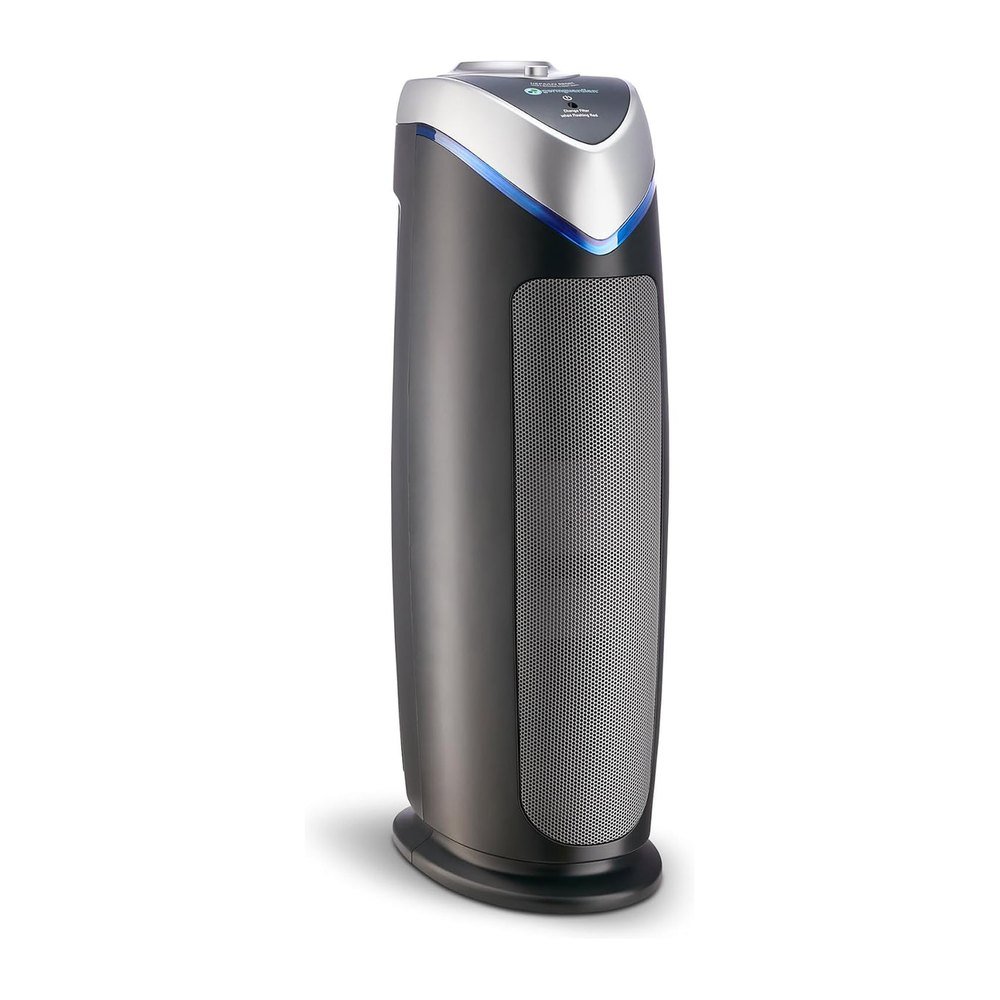
GermGuardian

1 reviewed

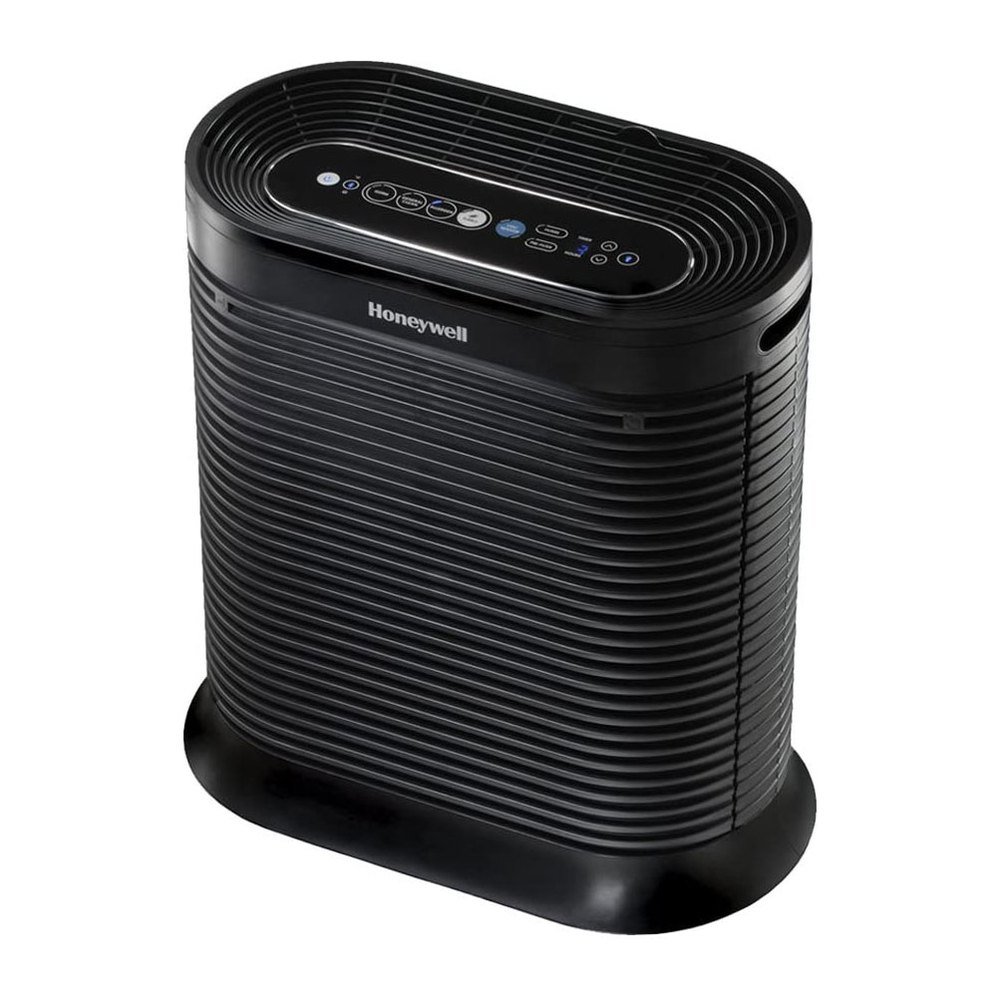
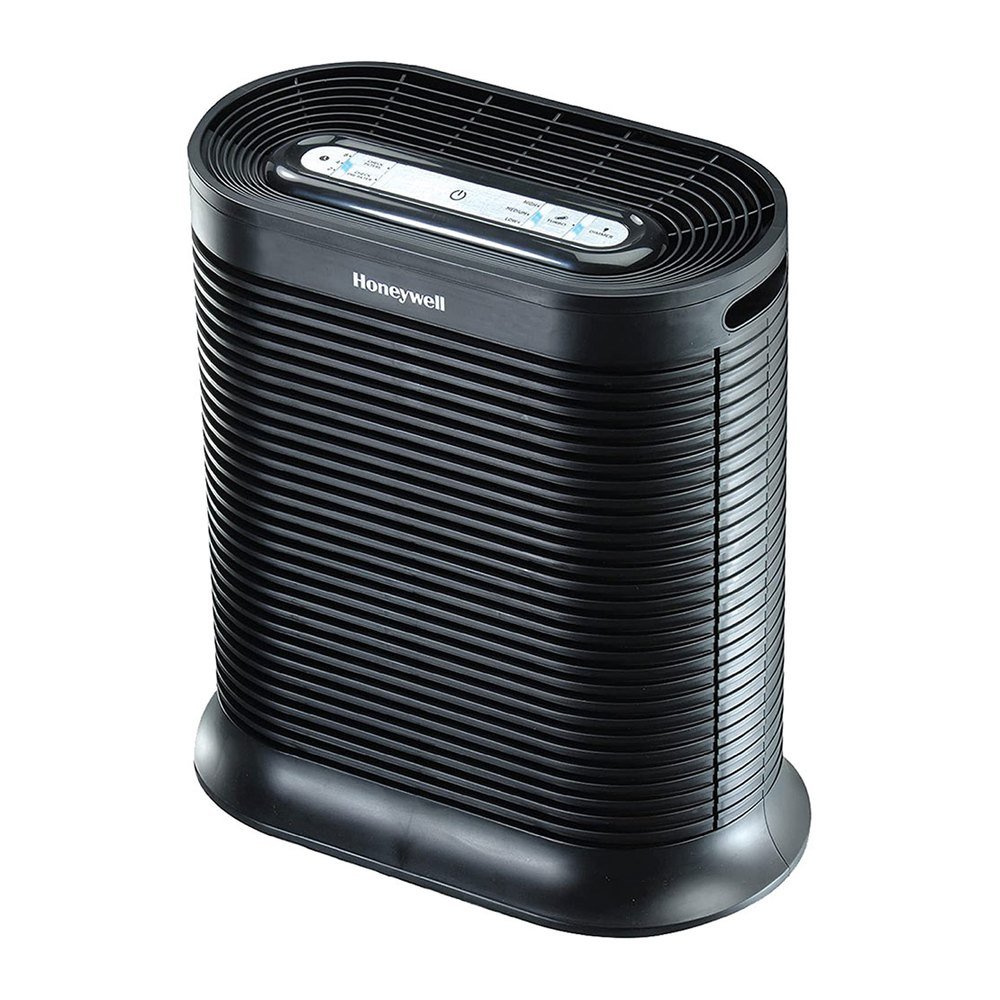
Honeywell

2 reviewed

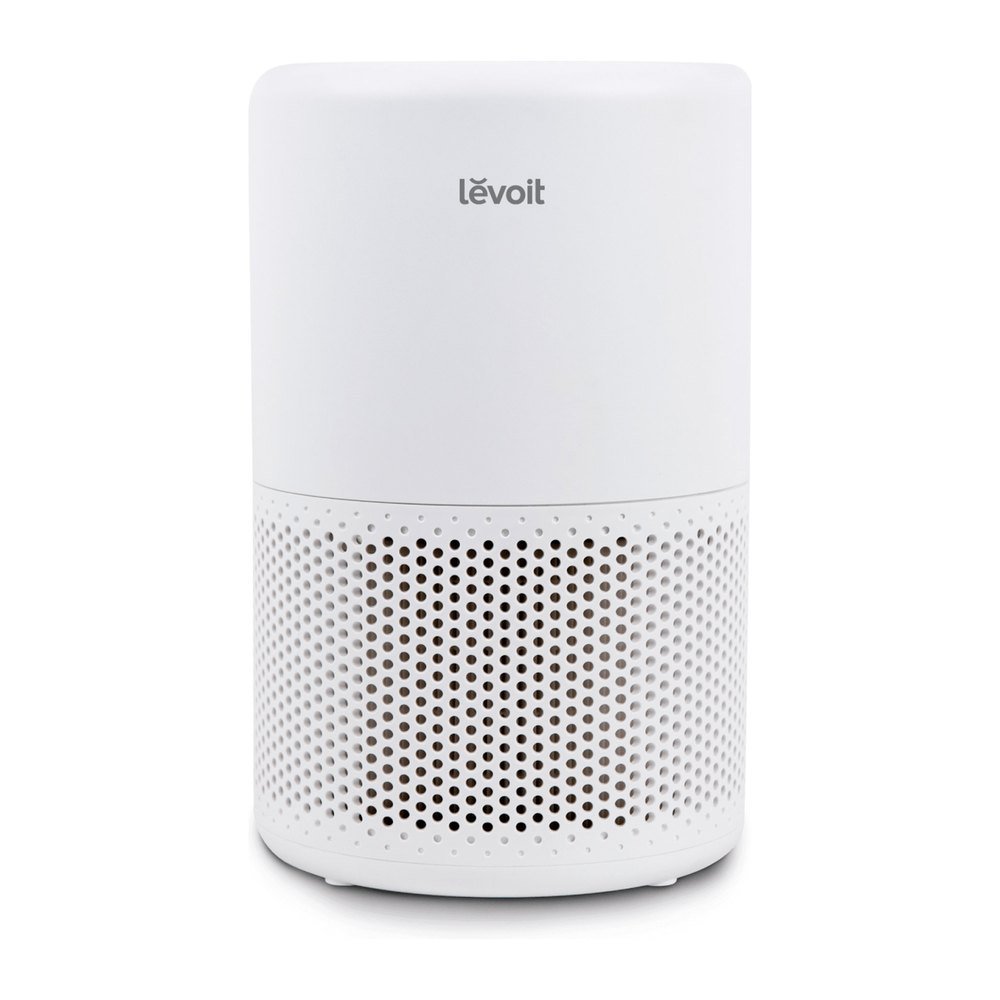
Levoit

6 reviewed

Medify Air

2 reviewed

Winix

3 reviewed

Choosing and sizing an air purifier

How do I size a purifier for my room?

Work from CADR, not from the box. Multiply the room’s floor area by the ceiling height to get its volume, then check what the smoke CADR gives you: a CADR in cubic feet per minute, times 60, divided by the room volume, is roughly the air changes you get per hour at top speed. AHAM sizes rooms at 4.8 of those. Two things to keep in mind: that figure is at MAXIMUM fan speed, which is usually the setting nobody can sleep through, and a purifier in a room with the door open is working on a much larger volume than you measured.

Where should the unit go?

Somewhere the air can actually reach it: manufacturers generally ask for clearance around the intake and outlet, and pushing a unit into a corner or against furniture starves it. Beyond that, the honest answer is that placement advice online is mostly repeated without measurement. Follow the clearance your own manual states — it is the only placement figure that comes from whoever built the machine.

Are ionizers and UV stages worth having?

They are a different technology from filtration, and the first question is whether you can switch the stage off. Some units make the ionizing stage a button; in others it is integral to how the machine filters at all. California classifies devices with an electronic stage separately from purely mechanical ones and tests them against an ozone limit. On every review here we state what the stage is, whether the manufacturer documents a way to turn it off, and where the manufacturer says nothing.

Why do you not publish prices?

Because they move, and a price quoted on a page goes stale the same week while still looking authoritative. The Amazon button opens the current listing, which is the only place the figure is ever right. What we do publish is the part of the cost that does not move: how many filters a year the unit consumes, and which stages are washable.