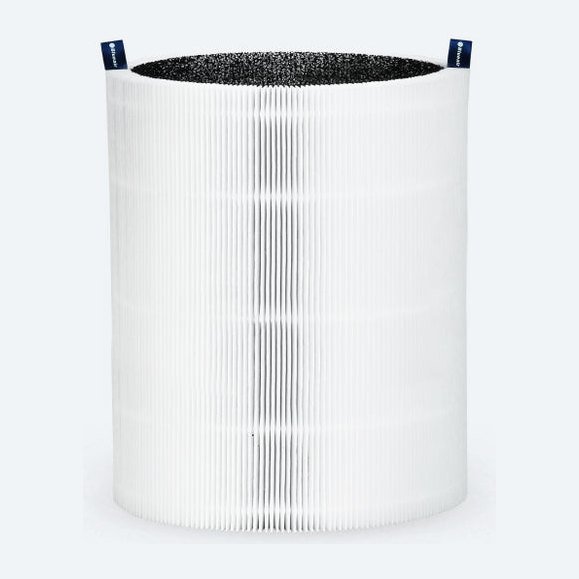
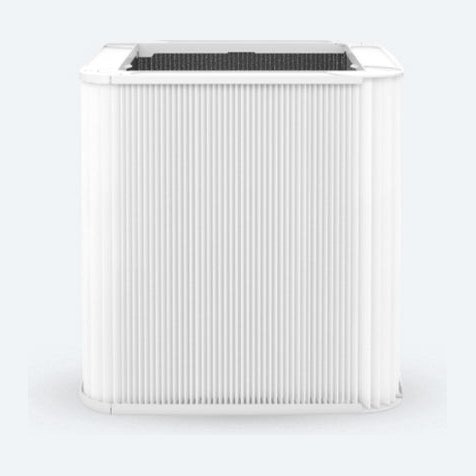
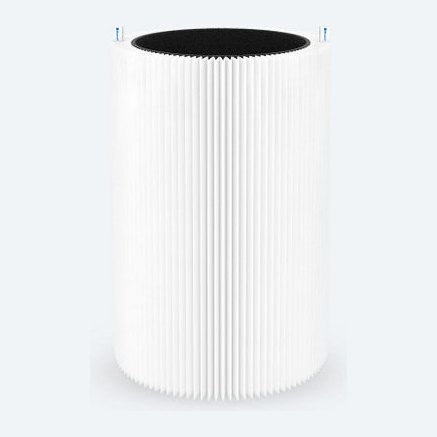
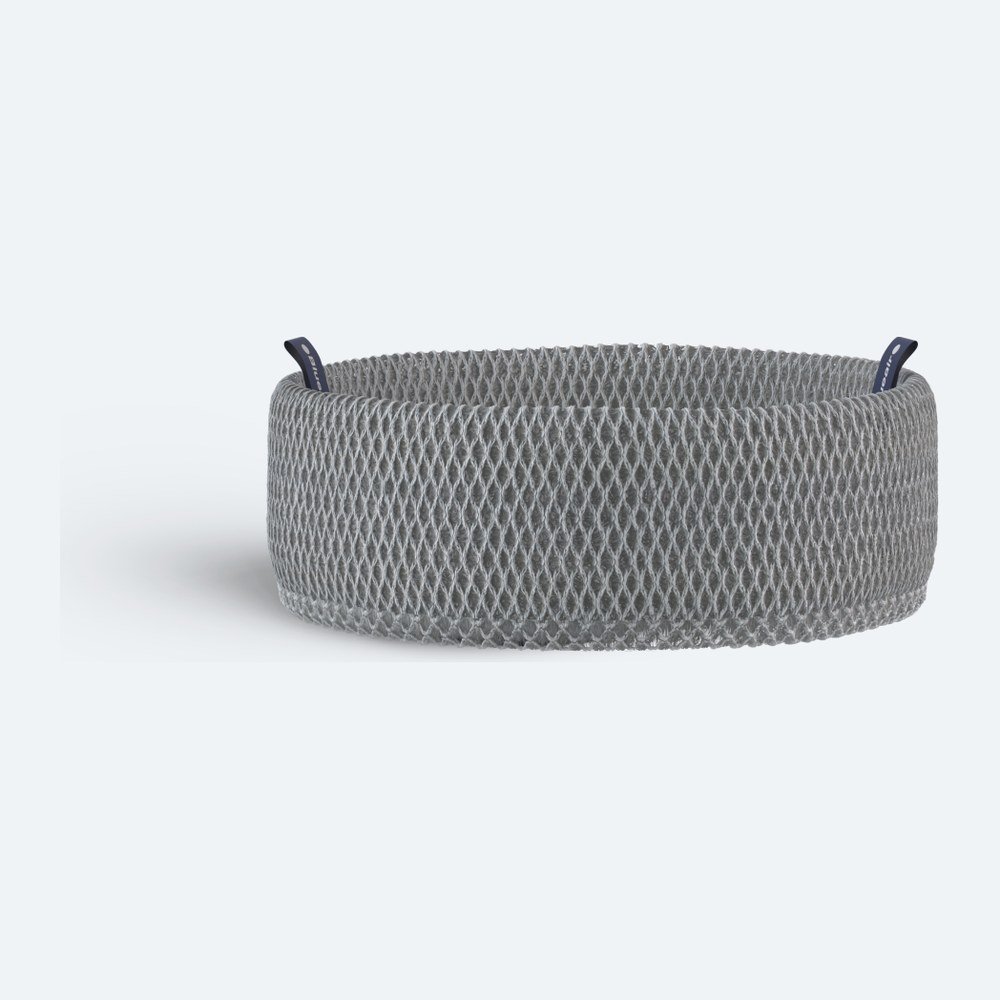
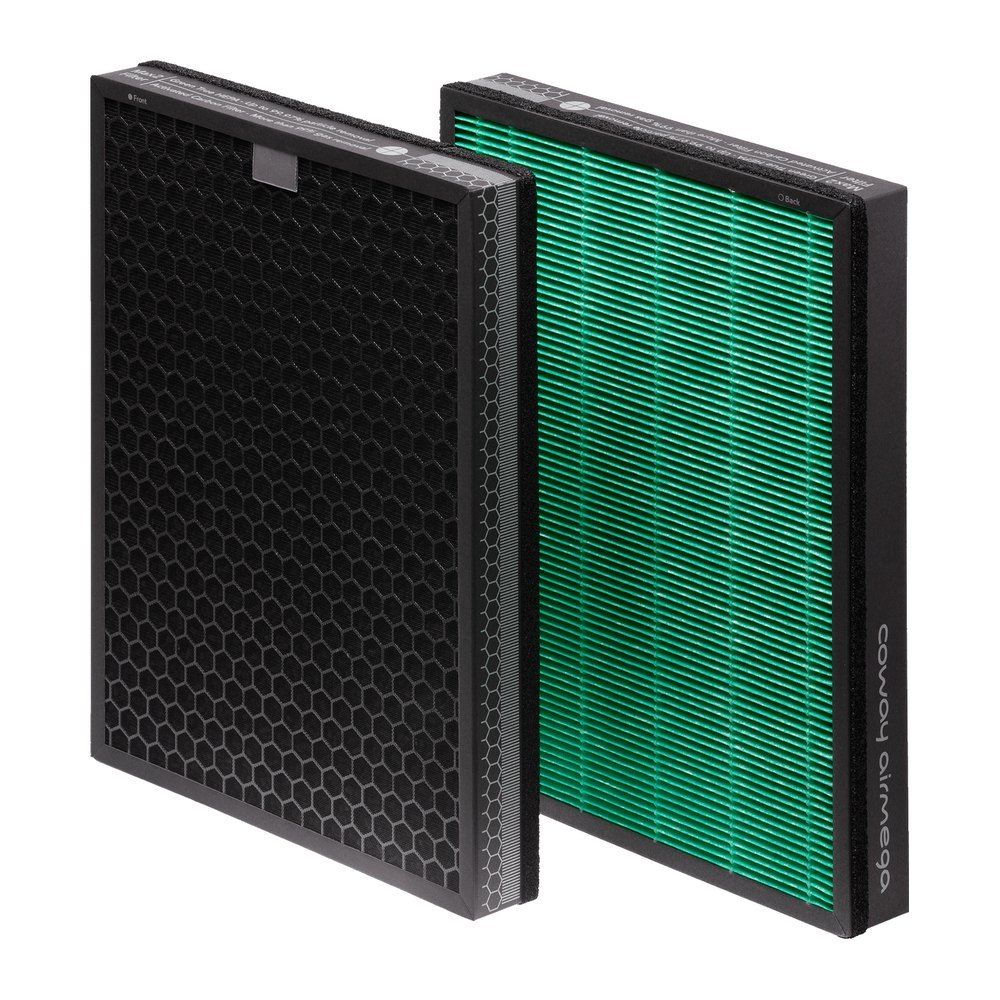
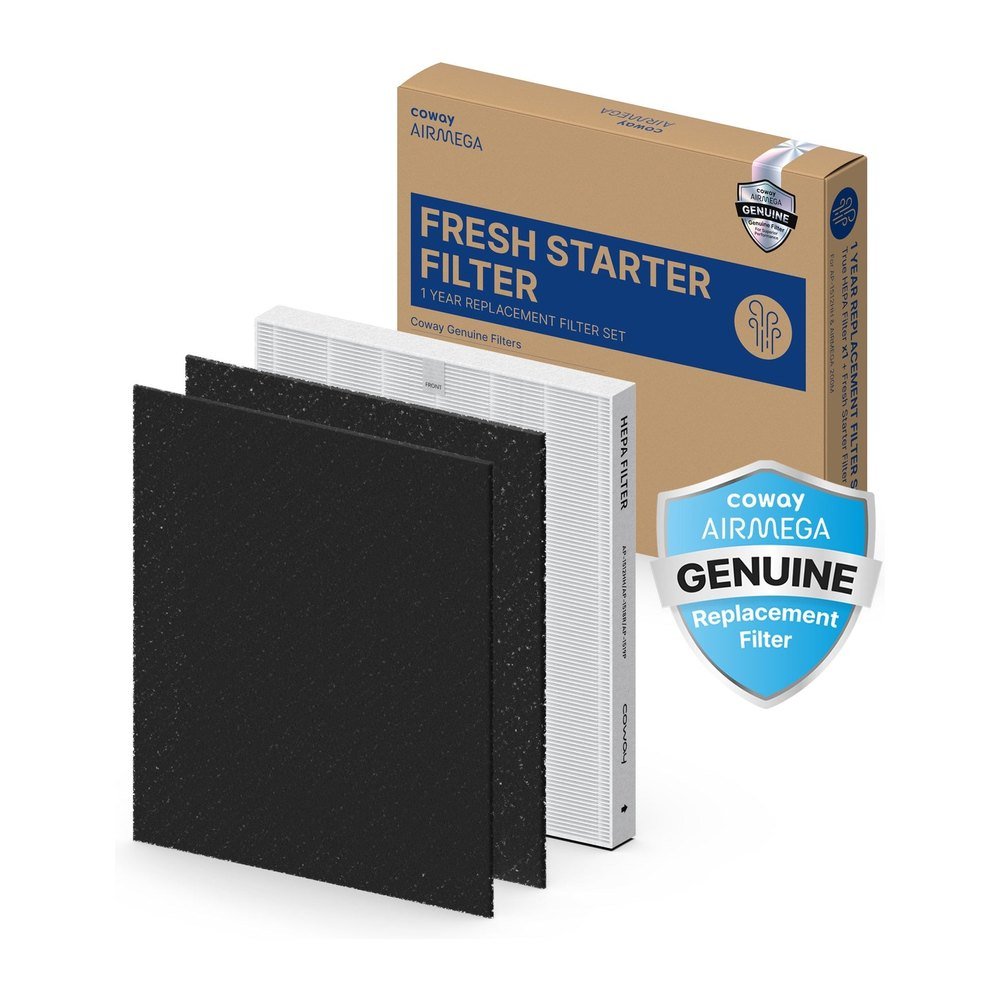
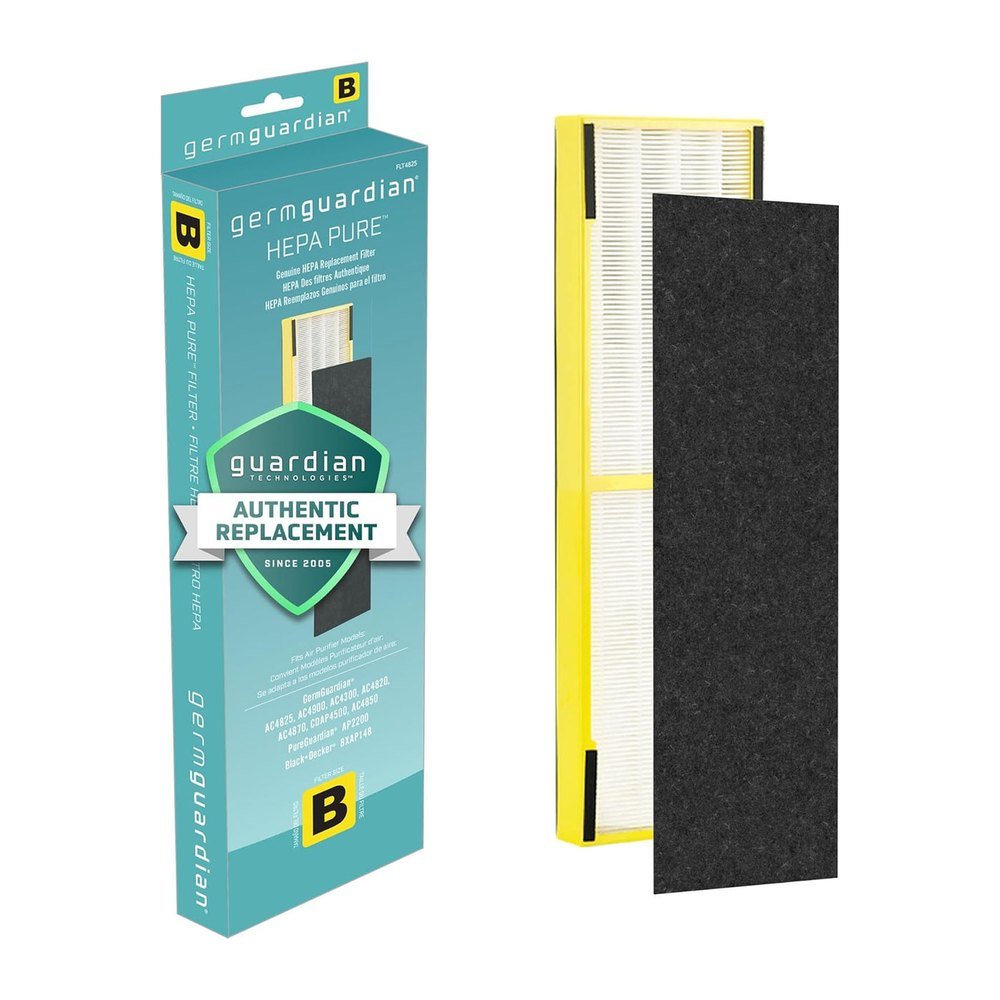
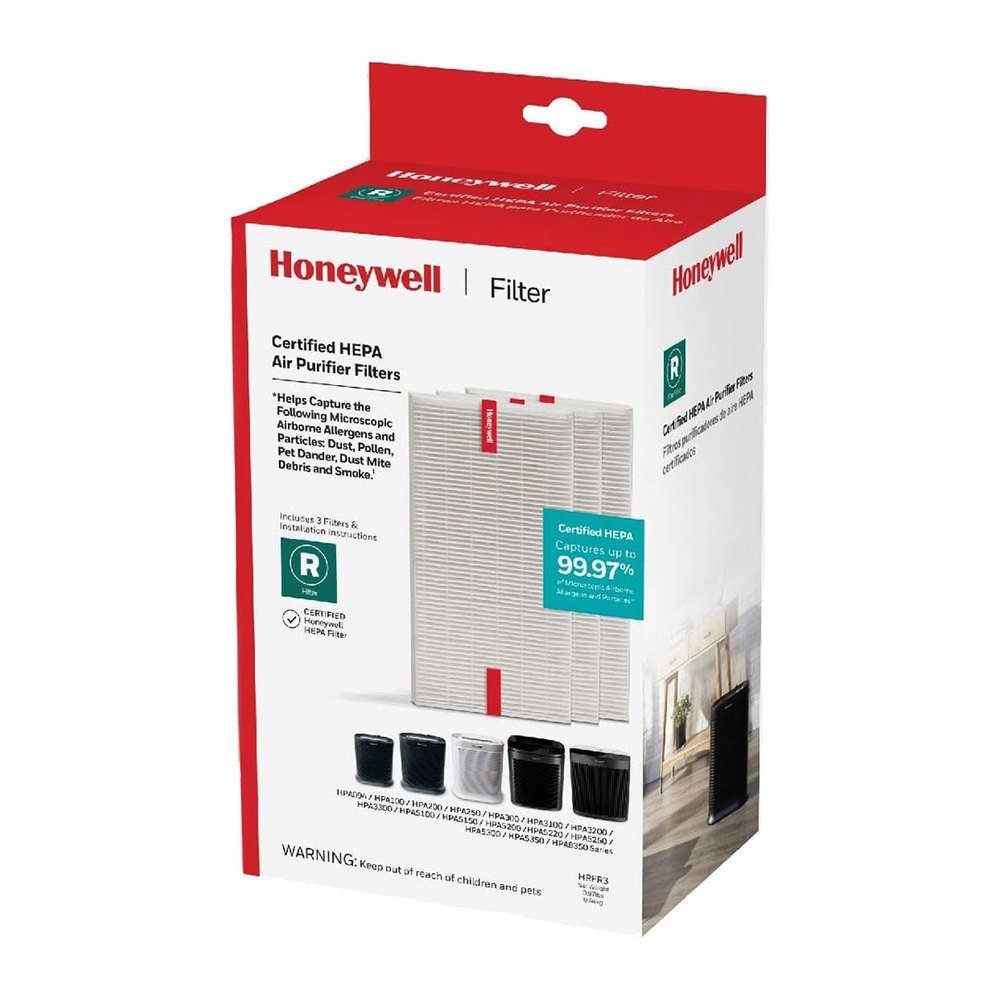
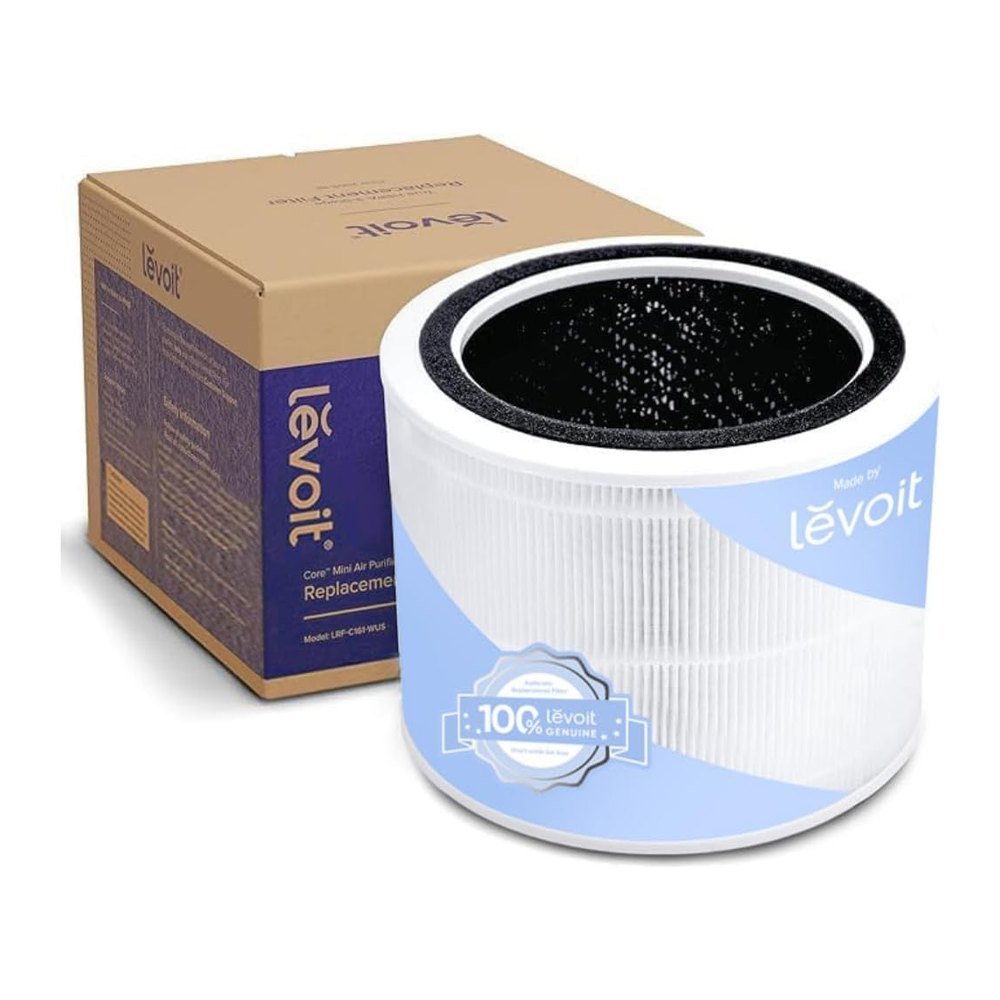
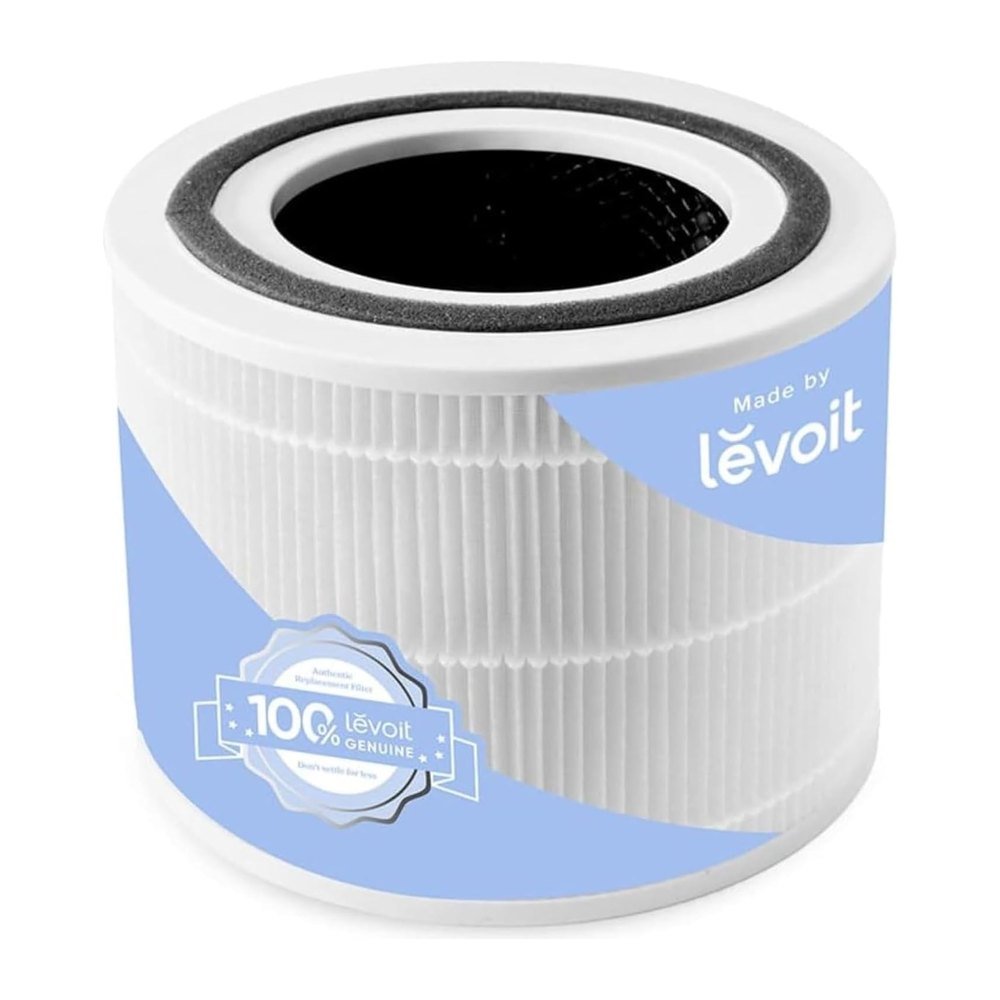
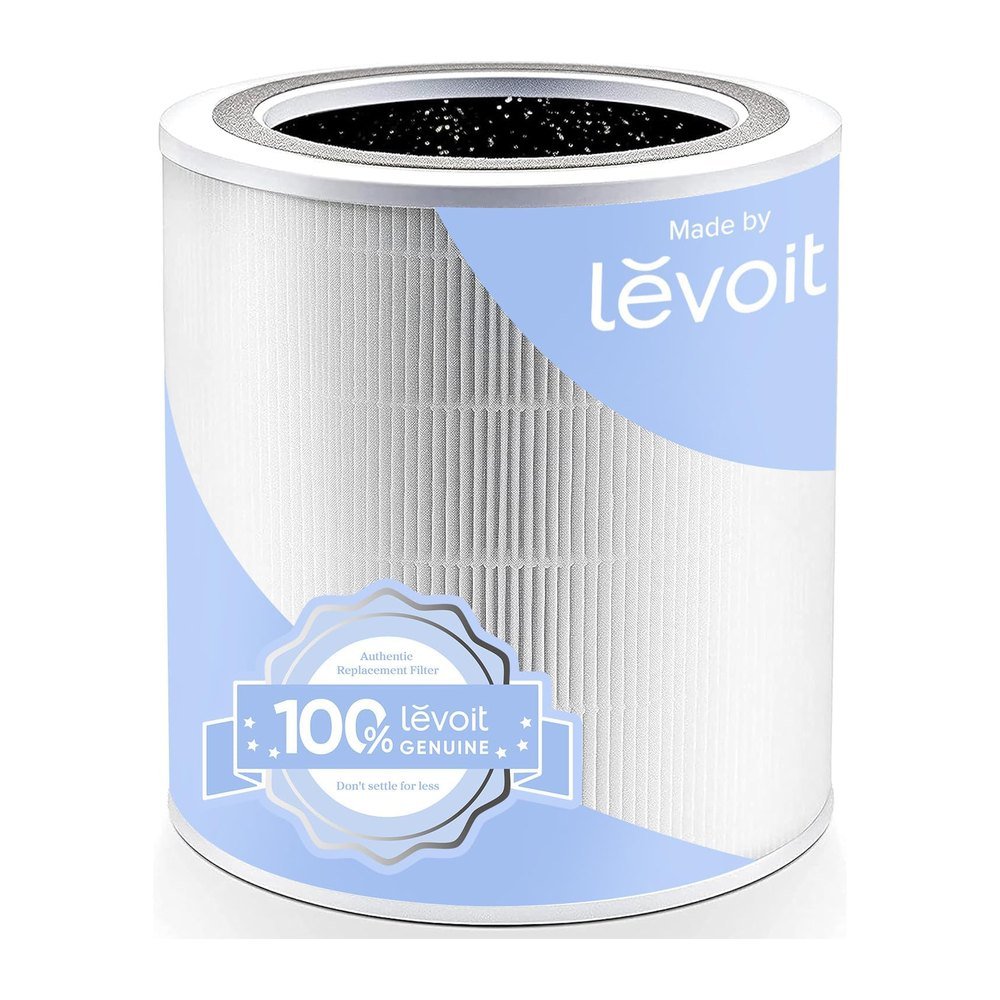
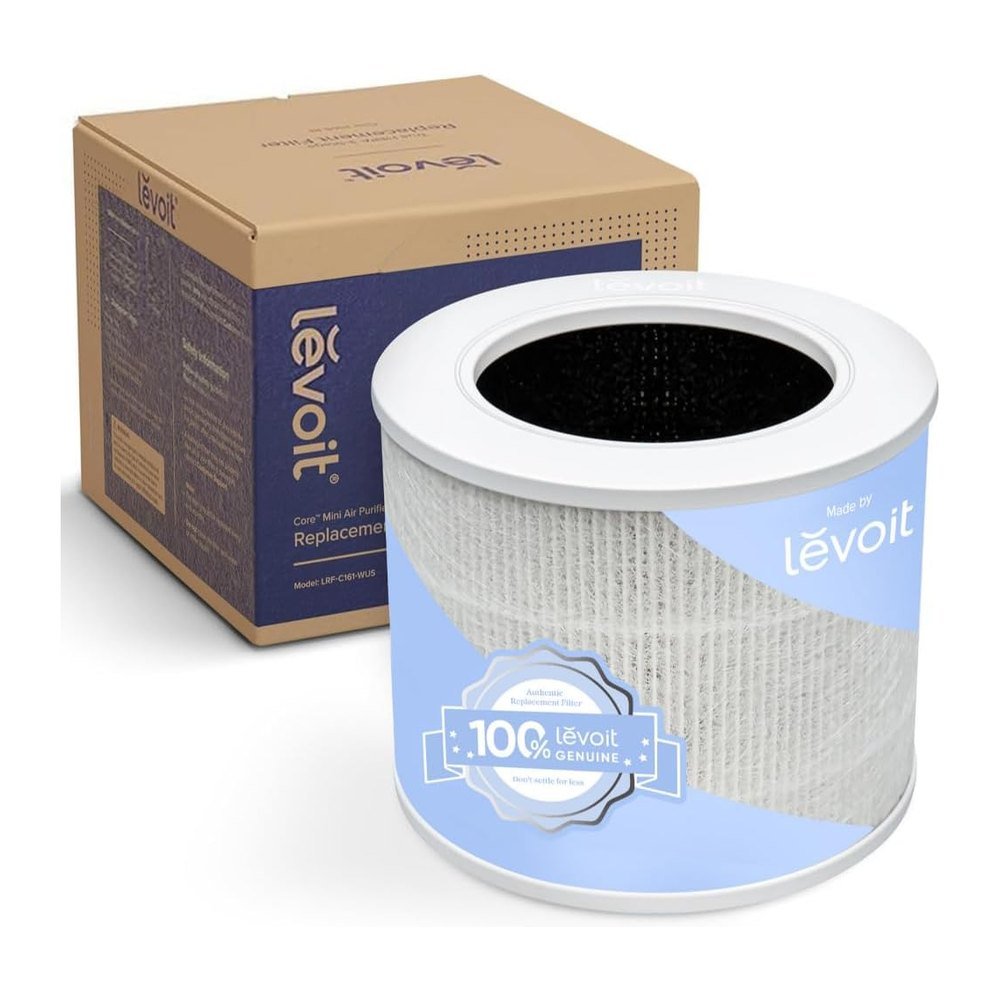
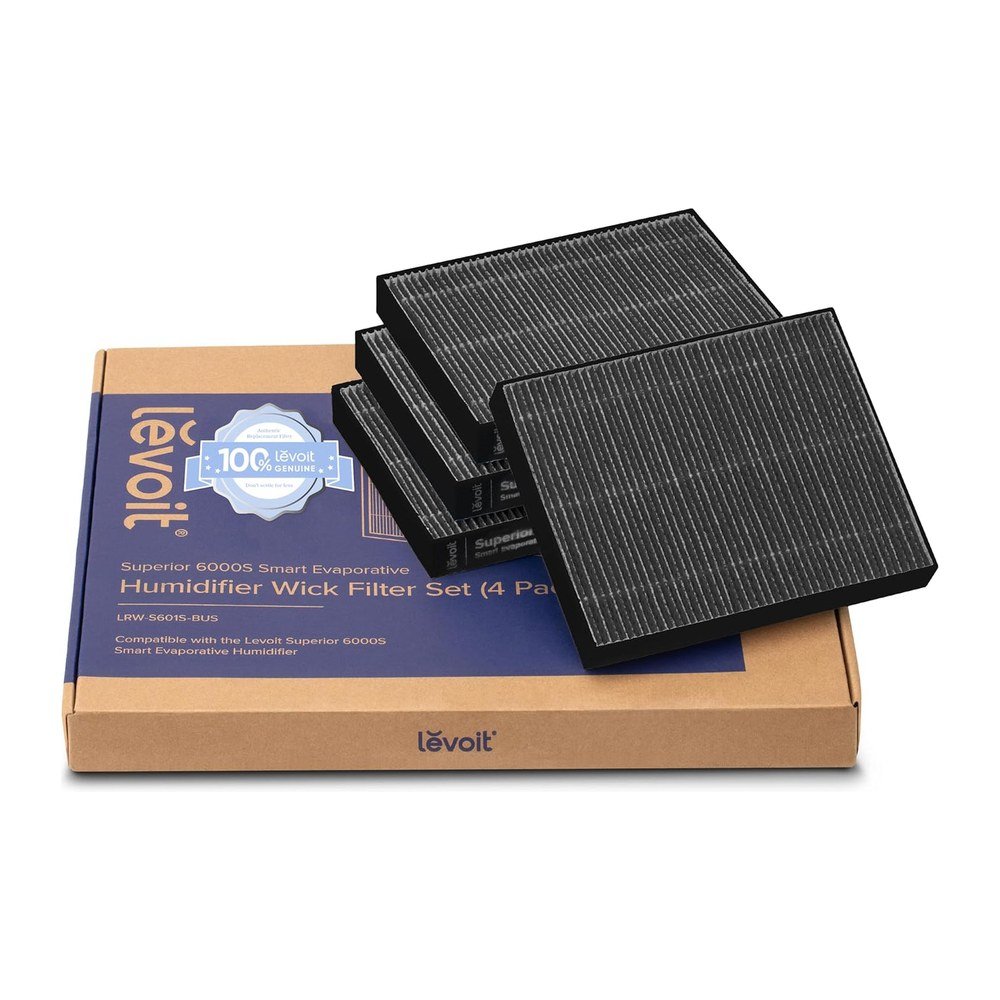
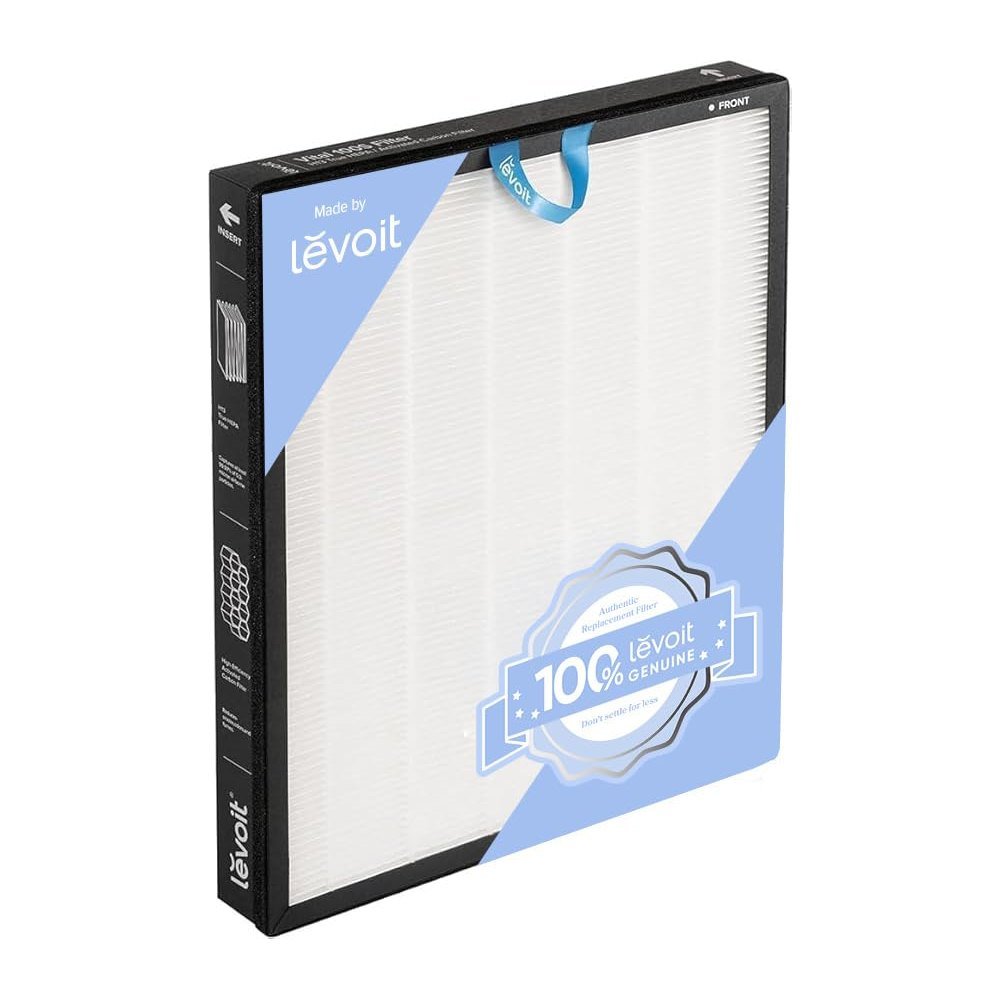
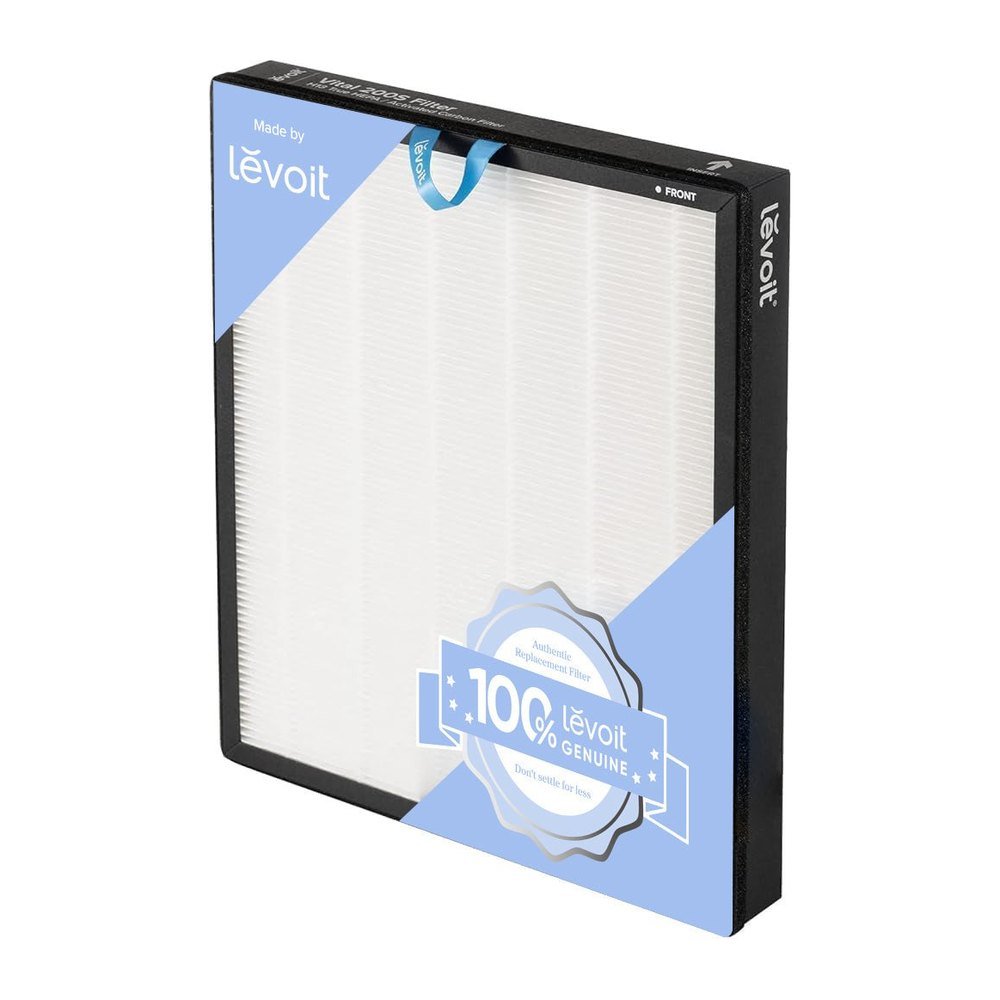
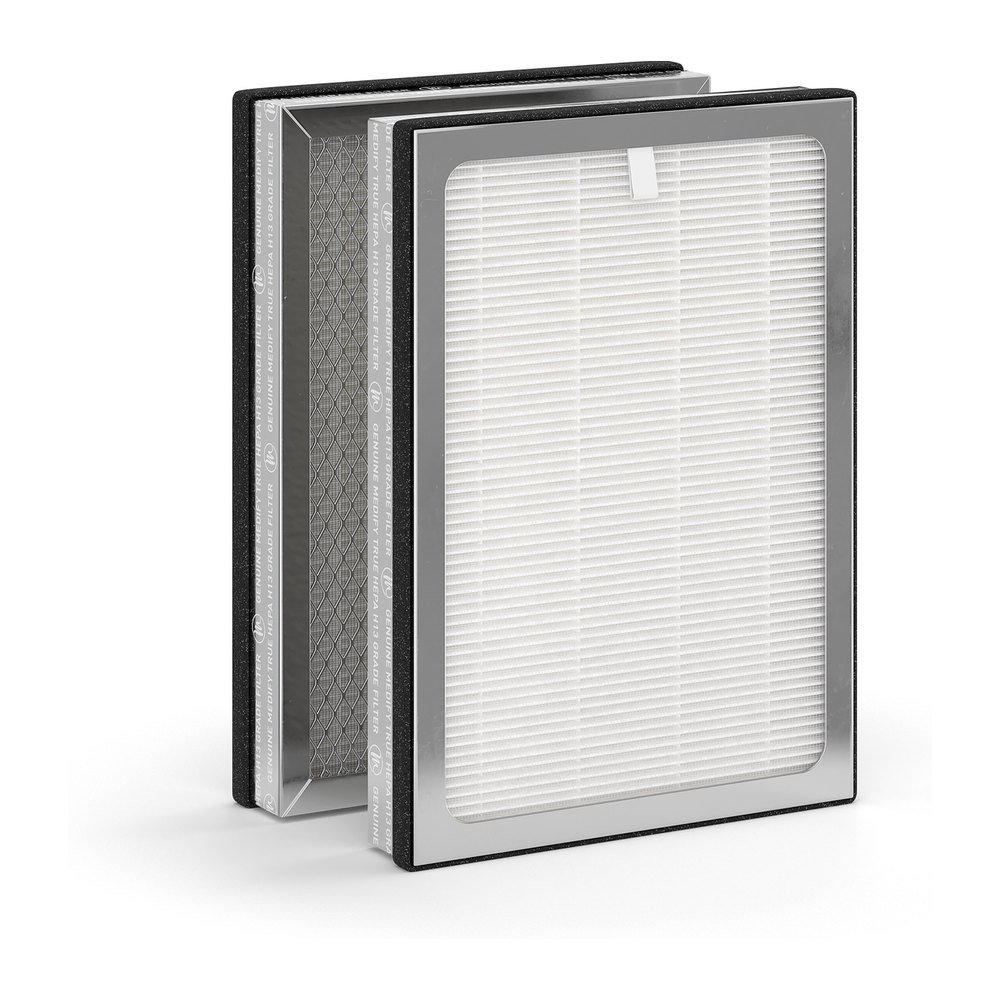
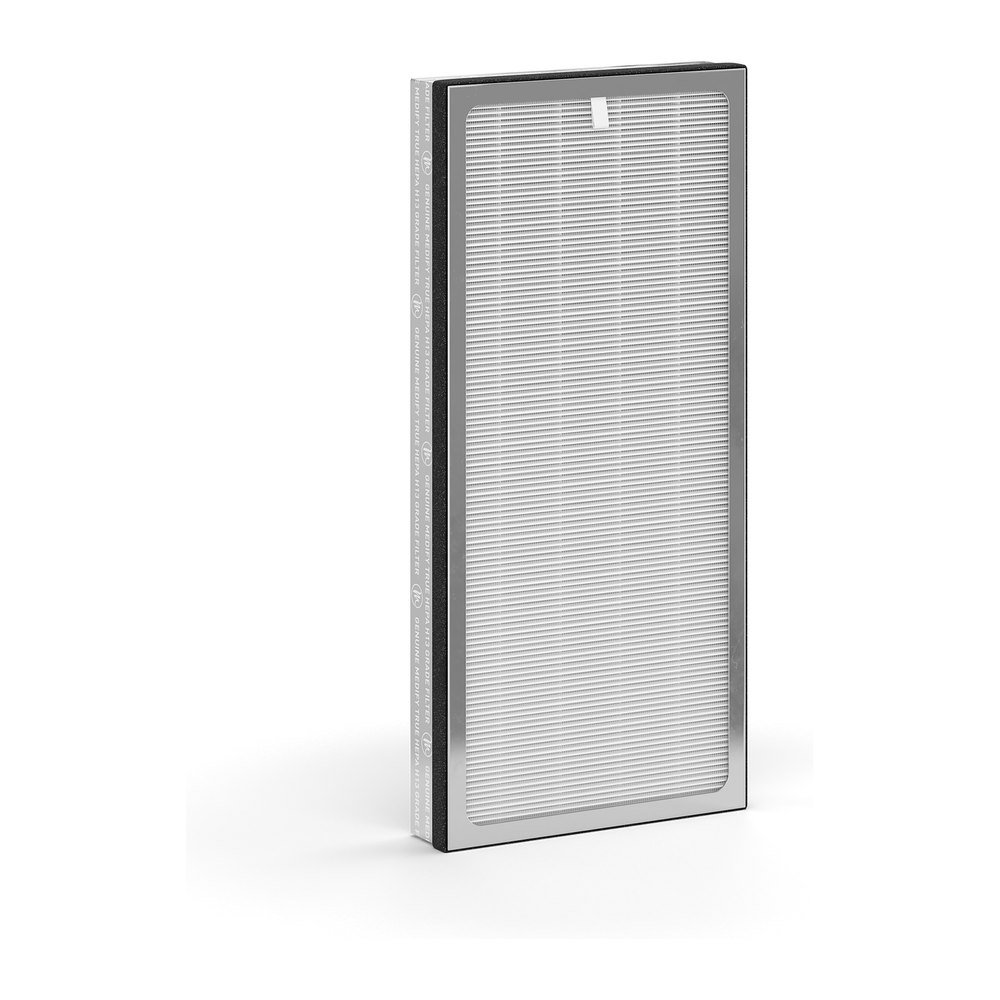
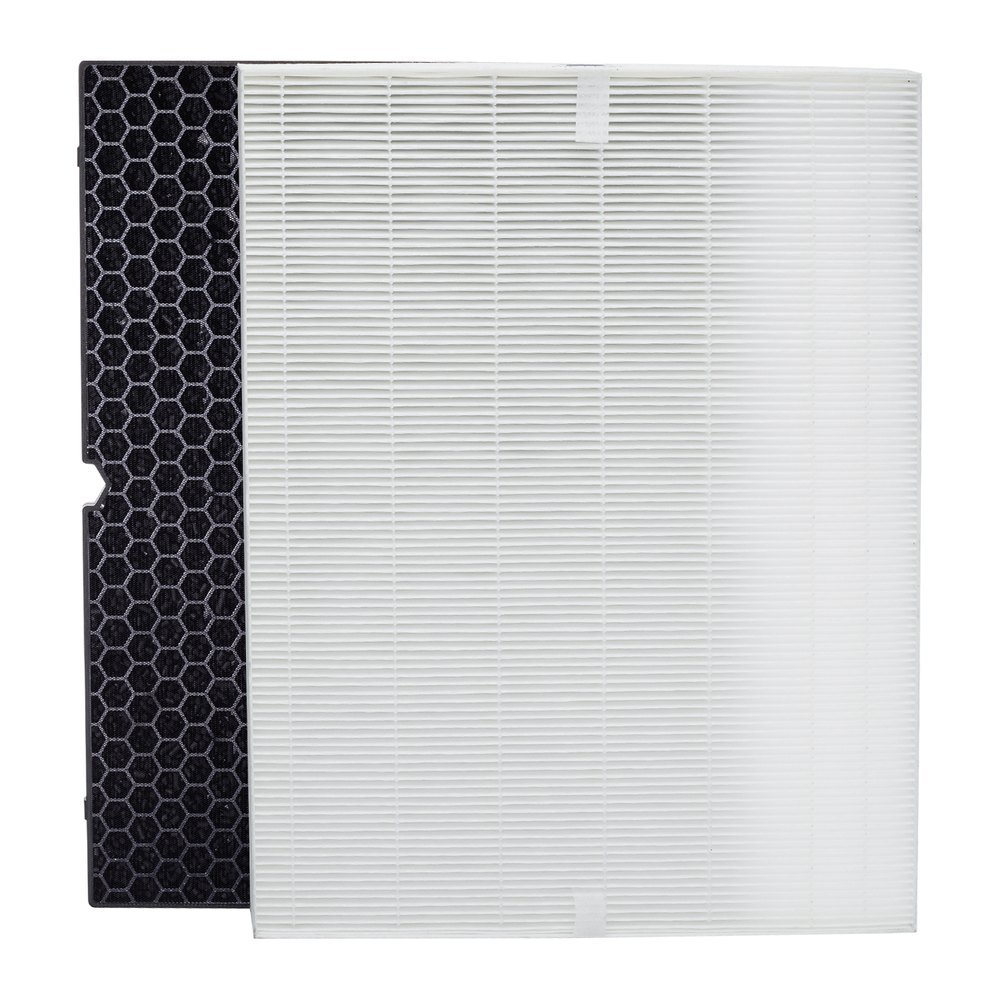
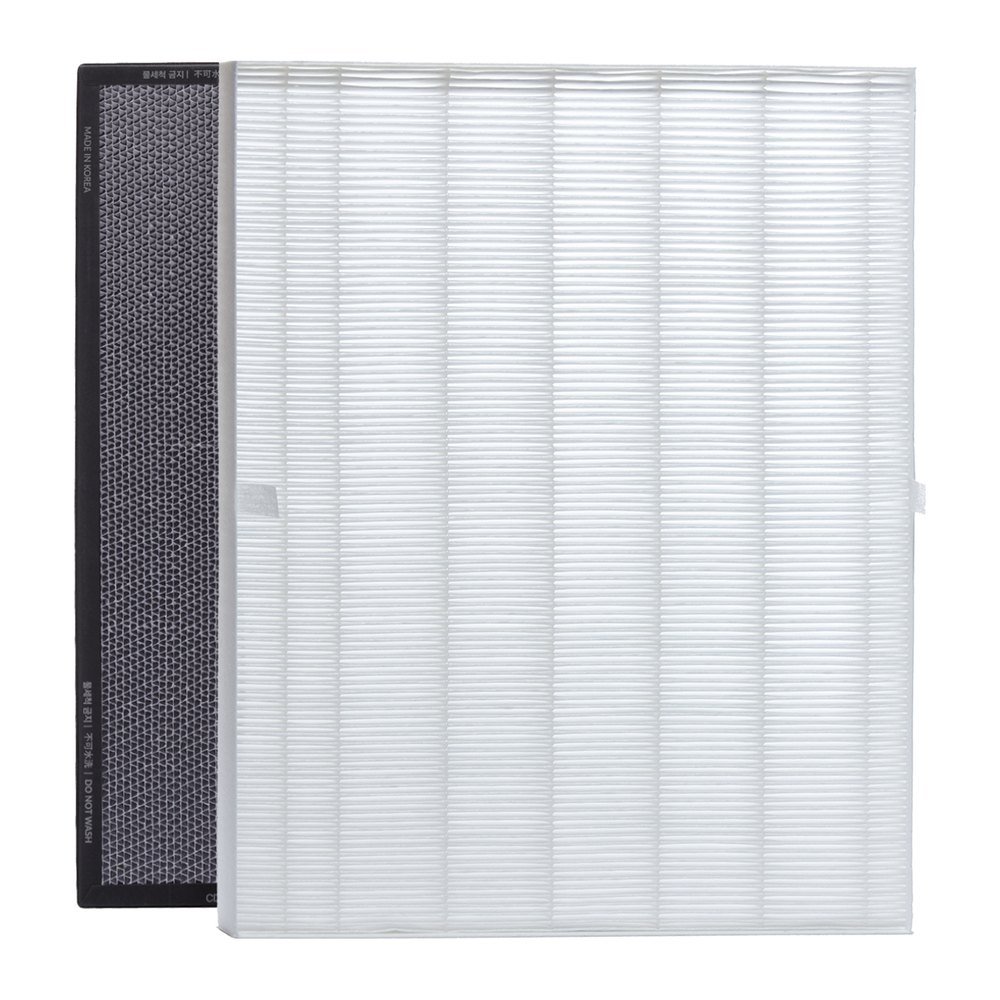
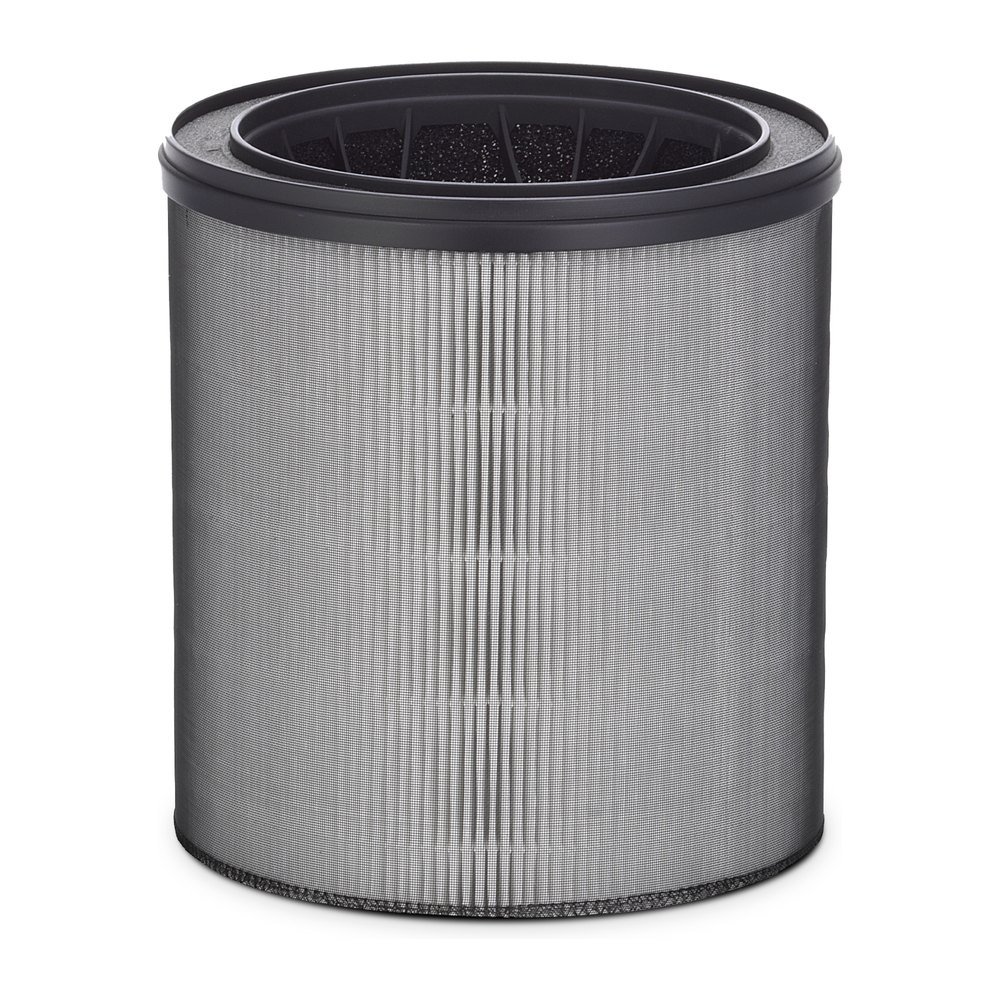
Find your unit below: air purifier filters and humidifier wicks. Each guide
gives the exact part numbers, the models it fits, the near-identical models it does not fit, and how
often the manufacturer says to change it — with the usage assumption
behind that interval, which is the part most listings leave out.
Prices are not published here: they move, and quoting one would go stale
the same week. The amber button opens the current Amazon listing, which is
the only place the figure is ever right. It is an affiliate link —
what that means is set out in our disclosure.
Replacement filters: the questions that cause returns
How do I find the right part number?
Read it off the filter you are replacing, or off the rating plate on the unit — usually underneath or behind the back panel. Match that code, not the marketing name: brands reuse model names across revisions that take different filters. Each guide here lists the OEM codes, the units the filter fits, and the near-identical models it does not.
Do third-party filters work?
They exist and they are cheaper. What we can tell you is what the manufacturer documents about them, including anything they say about the warranty, and we print that per model rather than generalising. What we cannot tell you is how a given third-party filter performs, because nobody publishes comparable measurements for them — no AHAM entry, no independent test. That absence is itself the answer to the question.
Can I wash a HEPA filter instead of replacing it?
Almost never, and doing it is how people quietly ruin a filter. The dense particle-capturing stage is generally not washable; what often IS washable is the pre-filter in front of it, and some units have a permanent one. The two get confused constantly. Each guide states which stage is which for that specific unit, using the manufacturer’s own instructions rather than a general rule.
The filter light is still on after I changed it. What now?
That indicator is almost always a timer, not a sensor: it counts hours and has no idea a new filter went in, so it has to be reset by hand. The sequence differs per model and it is usually a button held for a number of seconds. We publish the documented reset sequence on each filter guide, taken from the manual for that unit.
How do I know the interval on the box applies to me?
You mostly do not, and that is the honest answer. A stated interval assumes a certain number of hours a day at a certain speed, in air of a certain cleanliness. Run the unit harder, or in a dustier home, and the real interval is shorter. Treat the number as the manufacturer’s planning assumption rather than a measurement of your home, and look at the filter: visible loading is better evidence than the calendar.
We value your privacy
We use Google Analytics to understand how visitors use NestyFinds
(audience measurement only — no ads, no profiling). Nothing
loads until you choose. See our Privacy Policy.